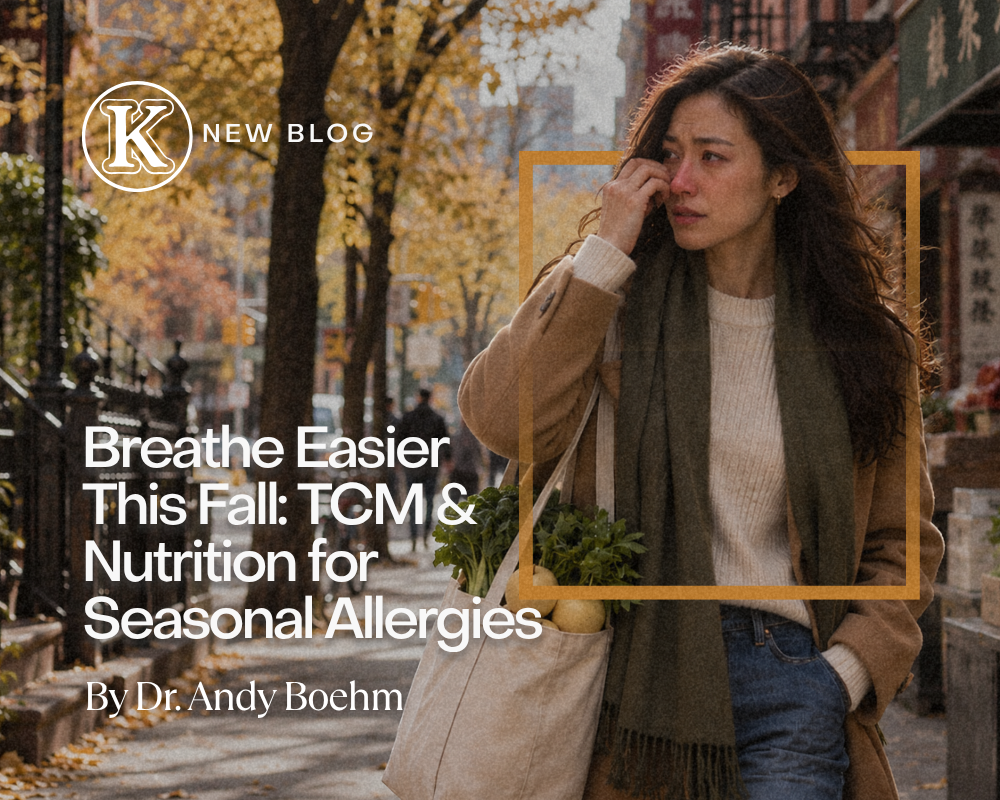
Summer vacations are winding down, kids are heading back to school, and cooler mornings are beginning to hint at autumn. But for seasonal allergy sufferers, the arrival of fall can bring more than crisp air and changing leaves; It can also mean a return to sneezing, congestion, itchy eyes, and other frustrating seasonal symptoms.
Before reaching for your usual over-the-counter allergy remedies which mainly treat the symptoms, it may be worth exploring how Traditional Chinese Medicine can complement your seasonal routine and support the body more holistically with nutrition and herbal therapies.
Why do my allergies flare up worse around September?
Well…it’s not only you. Allergen sensitization has increased across all age groups, with ragweed pollen at its height in mid-September through the first frost (Anderegg et al., 2021). Pollen seasons have increased in one study up to 20+ days with pollen concentration increases of 21% between 1990 to 2018 (Anderegg et al., 2021). The result can be disrupted sleep, reduced focus and productivity, more missed days of work or school, and less time spent enjoying the season.

Autumn, the Lungs, & Seasonal Change
In Traditional Chinese Medicine (TCM), the Lungs are often described as a “tender organ” because of their direct connection with the external environment by way of respiration. During autumn, the Lungs and their paired organ, the Large Intestine, are considered especially vulnerable as cooler, drier weather may contribute to dryness within the body also.
Using nutrition, we can support the Lungs by providing nourishment to the delicate tissues of the respiratory tract, including the throat, nose, and other mucosal membranes typically affected by allergic sinusitis (inflammation of the sinuses) and rhinitis (inflammation of the nasal mucosa).
How Fall Allergies Can Show Up Differently
Your fall allergies may not look exactly like someone else’s. Differences in our internal balance can lead to varied presentations, from dryness and irritation to congestion, mucus, or fatigue. These patterns can also overlap, which is why Chinese medicine does not treat every case of seasonal allergies the same way. Nutrition and herbal therapy are selected according to the symptoms and overall presentation of the individual.
Dry Throat, Nose, or Cough?
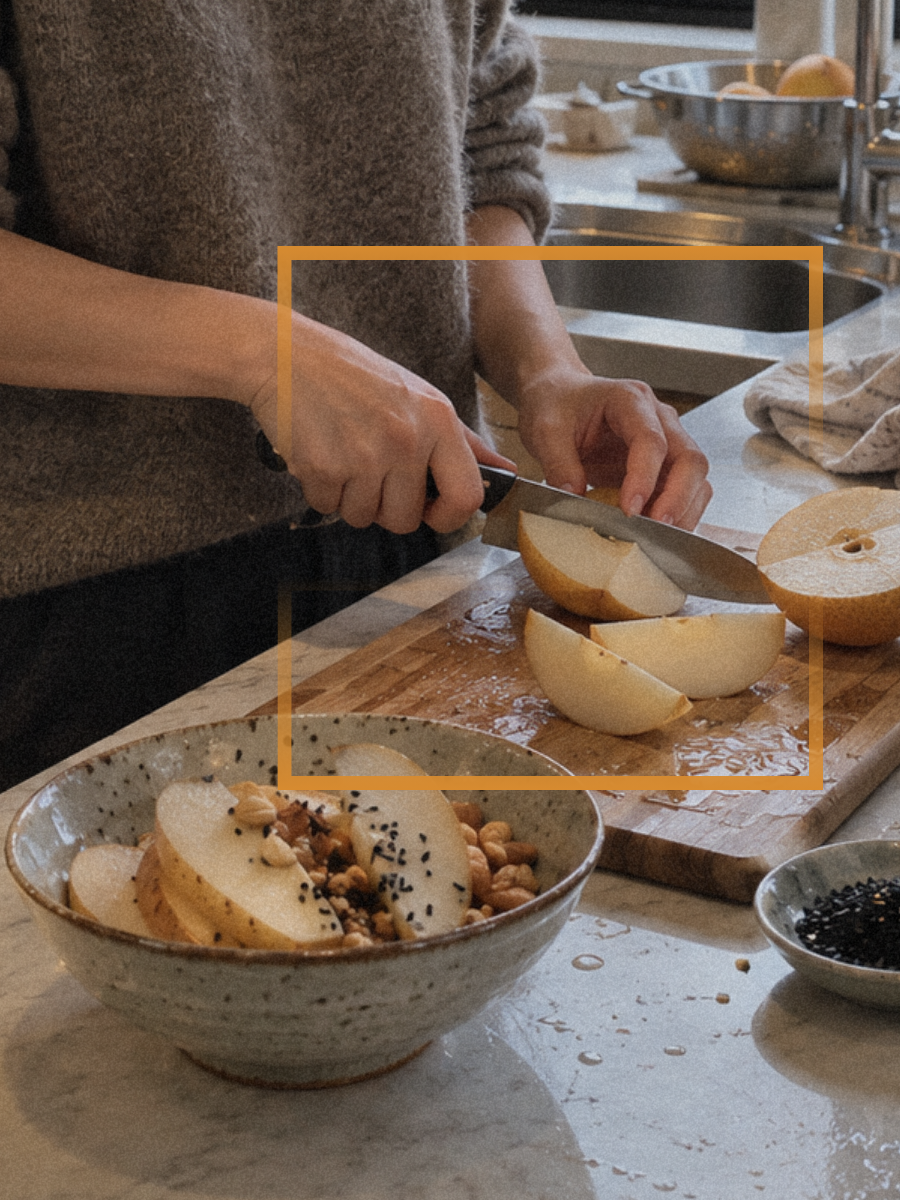
Focus: Generate fluids and moisten dryness
When fall allergies present with a dry throat, irritated nasal passages, dry cough, or scant mucus, food therapy may focus on nourishing the yin, generating fluids, and moistening Lung dryness.
Foods that may be incorporated include:
Fruits: Asian pear, apple, persimmon, loquat
Nuts, Seeds & Legumes: black sesame, almonds, pine nuts, peanuts, soybeans, tofu
Grains: barley, millet
Vegetables & Sea Vegetables: spinach, seaweed
Animal Foods: pork, eggs, clams, crab, oysters, mussels, herring
Other Moistening Foods: honey, rice syrup, barley malt, tremella mushroom, and small amounts of dairy
Red, Hot, or Itchy?

Focus: Clear heat and soothe irritation
When seasonal allergies are present with more redness, warmth, itching, burning, or yellow-tinged mucus, food therapy may focus on clearing Heat and cooling irritated tissues. These foods can be especially appropriate when allergy symptoms feel more inflamed than dry or congested.
Foods that may be incorporated include:
Fruits- watermelon, pear, persimmon
Grains- barley, millet
Legumes- cooked mung beans and sprouts
Vegetables- cucumber, celery, bok choy, lettuce, watercress, spinach, bitter melon
Meats- rabbit, duck
Other- green tea, chrysanthemum tea (ju hua), seaweed
Congested or Coughing Up Mucus?
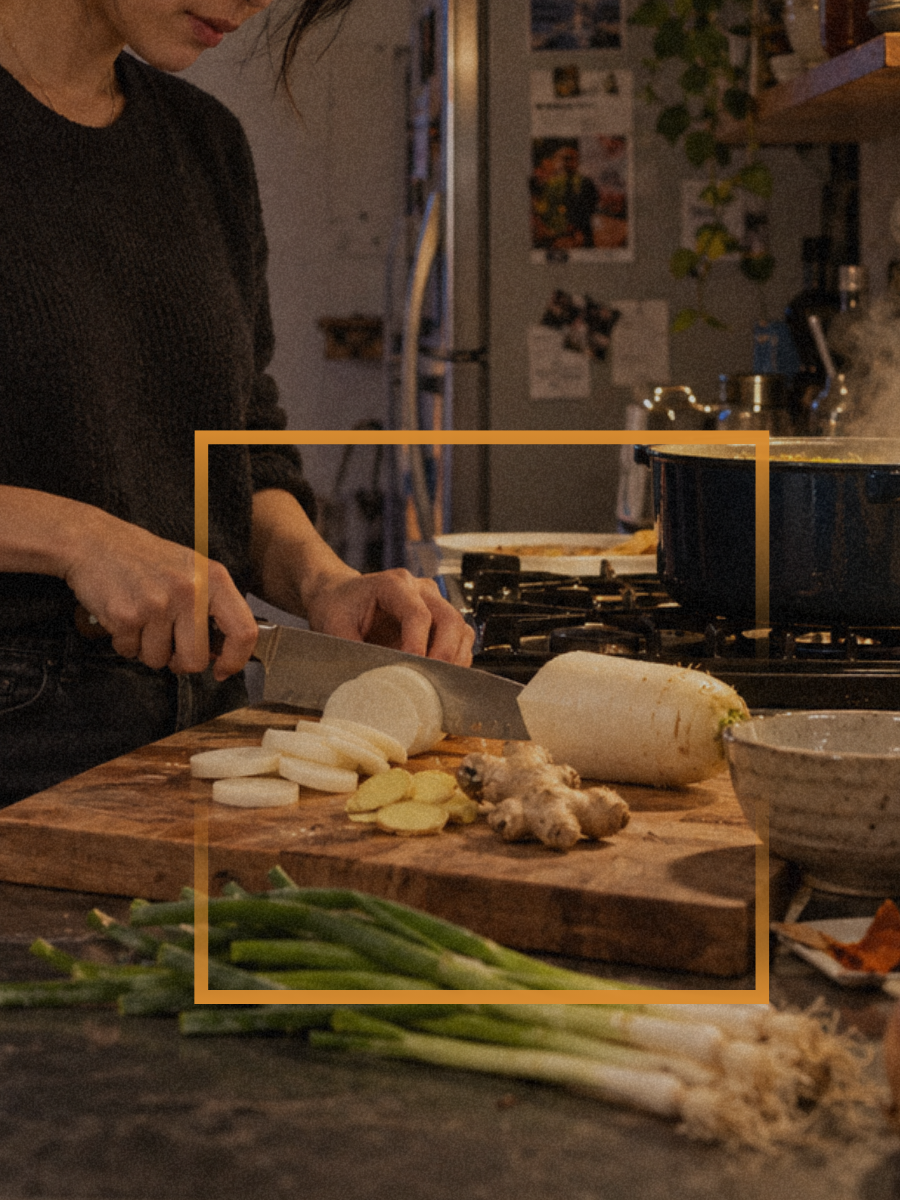
Focus: Resolve dampness and transform phlegm
For some people, fall allergies are less about dryness and more about stuffiness, sinus pressure, heaviness, or abundant mucus. In these cases, food therapy may focus more on resolving Dampness and transforming Phlegm to help relieve congestion.
Foods that may be incorporated include:
Spices & Aromatics- white peppercorn, onion, garlic, ginger, horseradish, citrus peel, scallion
Vegetables- turnip, cabbage, radish, daikon, mustard greens
Grains- cooked barley, Job’s tears (yi yi ren)
Legumes- adzuki bean
Feeling Run Down or Getting Sick Easily?

Focus: Support Lung Qi
If seasonal allergies tend to come with fatigue, a weak cough, frequent respiratory infections, or generally feeling depleted, you may focus more on strengthening Lung Qi.
Foods that may be incorporated include:
Beta-carotene–rich vegetables to support immunity: carrots, winter squash, pumpkin, sweet potato, broccoli, kale, mustard greens, turnip greens, parsley, watercress
Other supportive vegetables: Chinese yam, squash
Grains: rice, oats, barley
Mushrooms: culinary mushrooms
Greens & algae: wheatgrass, barley grass, algae
A Little Sour Goes a Long Way
In TCM, sour flavors are considered astringing and gathering, helping the body conserve fluids rather than allowing them to disperse too easily. This makes small amounts of sour foods especially useful in autumn, when seasonal dryness is prevalent.
Classical dietary principles often emphasize reducing overly pungent foods and incorporating a little more sour flavor during autumn. The goal is not to make every meal intensely sour, but to use sour foods in moderation to help nourish and preserve the body’s fluids as the weather becomes cooler and drier.
Try incorporating small amounts of:
Fermented foods: sourdough bread, sauerkraut, pickles, yogurt, cheese
Fruits: lemons, limes, grapefruit, sour apples, plums, grapes
Other foods: olives, leeks, adzuki beans, salt plums
Drinks and seasonings: rose hip tea and vinegar
Because the sour flavor has a strong contracting and astringing action in Chinese medicine, a little can go a long way. Think of it as an accent to your autumn meals rather than the dominant flavor.
Finding the Right Approach for You
Food therapy can be a simple and practical way to support the body through seasonal change, but it is only one of the many tools Chinese Medicine has to offer during the transition into autumn. If seasonal allergies are already affecting your breathing, sleep, energy, or day-to-day comfort, acupuncture and Chinese herbal medicine can provide a more individualized approach to care.
Here at Grand Meridian in Chinatown, NYC, we’re here to help you better manage symptoms, support your overall health, and allow you to feel more comfortable as the season changes. If you’re ready to get ahead of your fall allergies, or you’re already feeling them flare, book an acupuncture or herbal medicine consultation with us today.
Kamwo Products to Support You Through the Autumn Season
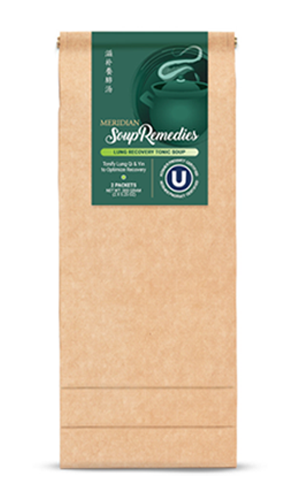
Lung Recovery Tonic
Bone Soup
Meridian Soup Remedies
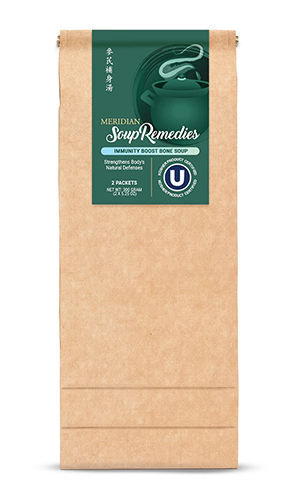
Immunity Boost
Bone Soup
Meridian Soup Remedies
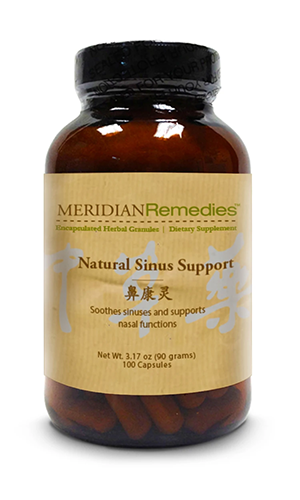
Meridian Remedies
Natural Sinus Support (100 Caps)
-
Anderegg, W. R. L., Abatzoglou, J. T., Anderegg, L. D. L., Bielory, L., Kinney, P. L., & Ziska, L. (2021). Anthropogenic climate change is worsening North American pollen seasons. Proceedings of the National Academy of Sciences of the United States of America, 118(7), e2013284118. https://doi.org/10.1073/pnas.2013284118
ChineseNutrition.org. (n.d.). ChineseNutrition.org
Pitchford, P. (2010). Healing with whole foods: Asian traditions and Modern nutrition: Third edition. CNIB.
Why Choose Kamwo?
At Grand Meridian Clinic, we blend the time-tested wisdom of TCM with individualized care for seasonal concerns like fall allergies. Through acupuncture, herbal medicine, and practitioner-guided support, we tailor care to how your symptoms show up—whether that means dryness, congestion, irritation, or low energy.
Rooted in Kamwo’s deep herbal and clinical heritage, our approach is designed to meet you where you are each season.

Dr. Andy Boehm
L.Ac
Grand Meridian Clinic