
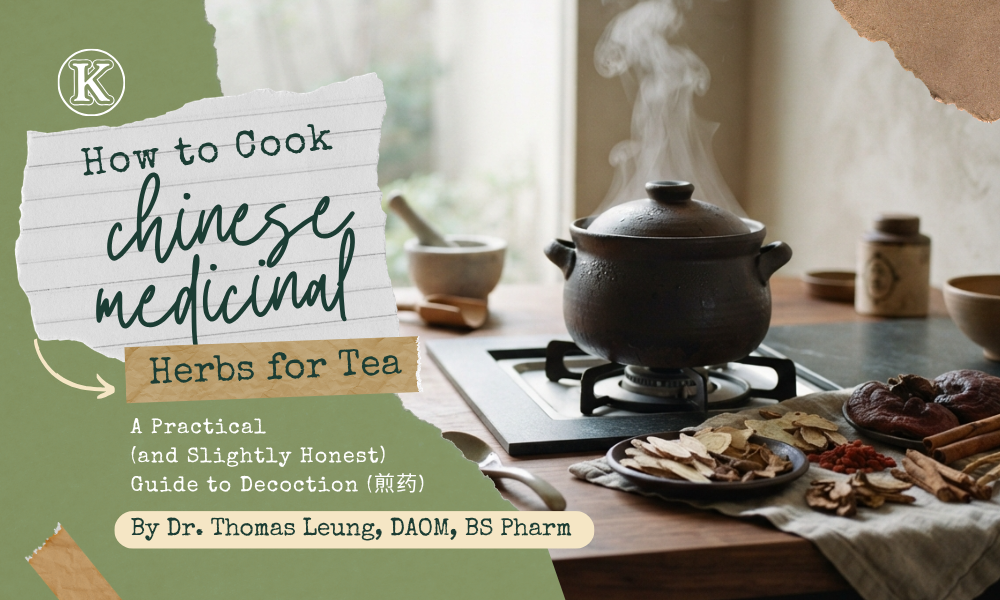
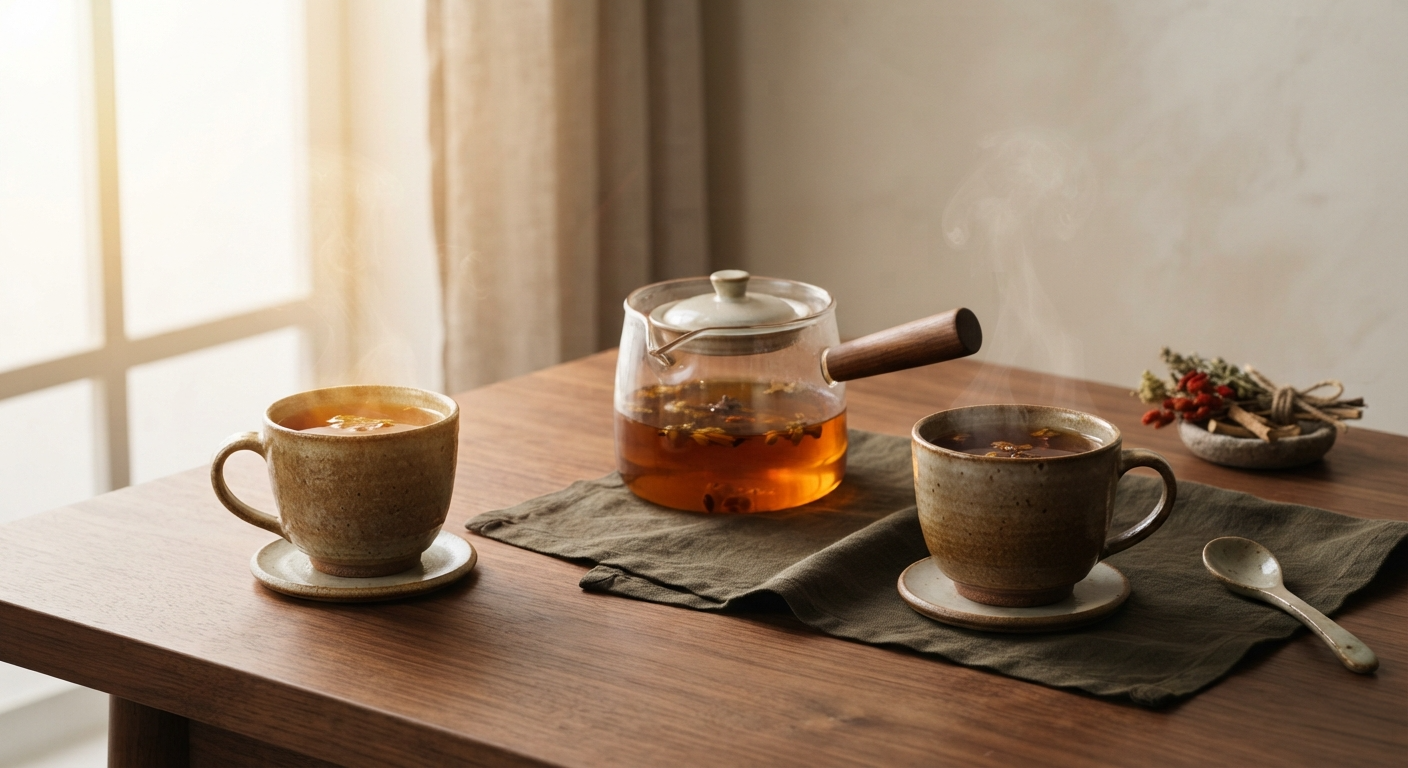
Chinese herbal medicine is traditionally prepared as a decoction, not your average cup of tea. This means boiling roots, bark, and occasionally things that don’t look like food. While granules and capsules are convenient, properly cooked raw herbs are still the gold standard.
Yes, it takes effort.
Yes, it smells strong.
No, adding honey will not save you.
But once you get used to it, it becomes routine.
As someone trained in both pharmacy and Chinese herbal medicine, I can tell you this, how you cook your herbs directly affects how well they work. So it’s worth doing it right.
Basic Cooking Instructions
How Much Water and Final Volume
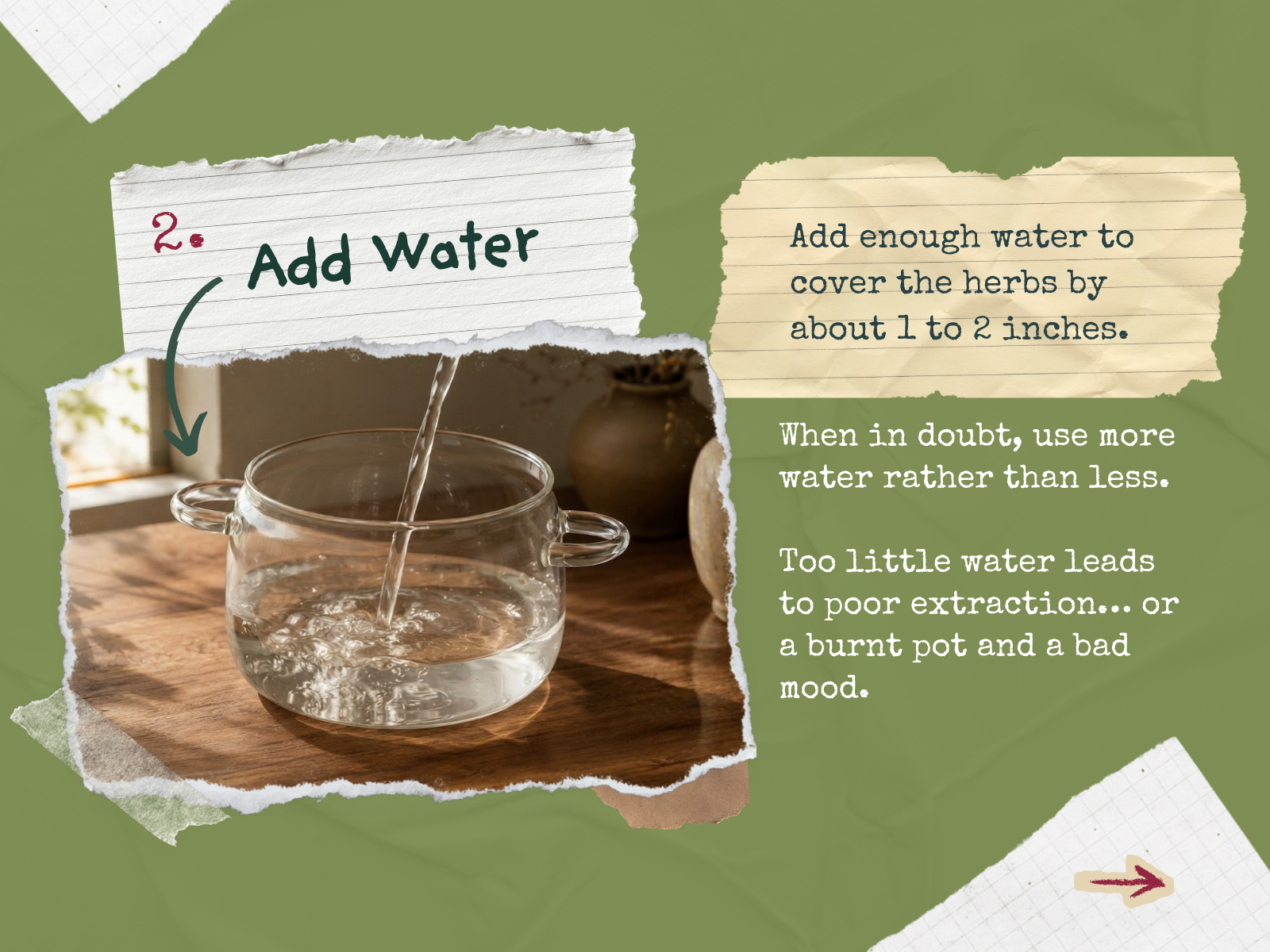
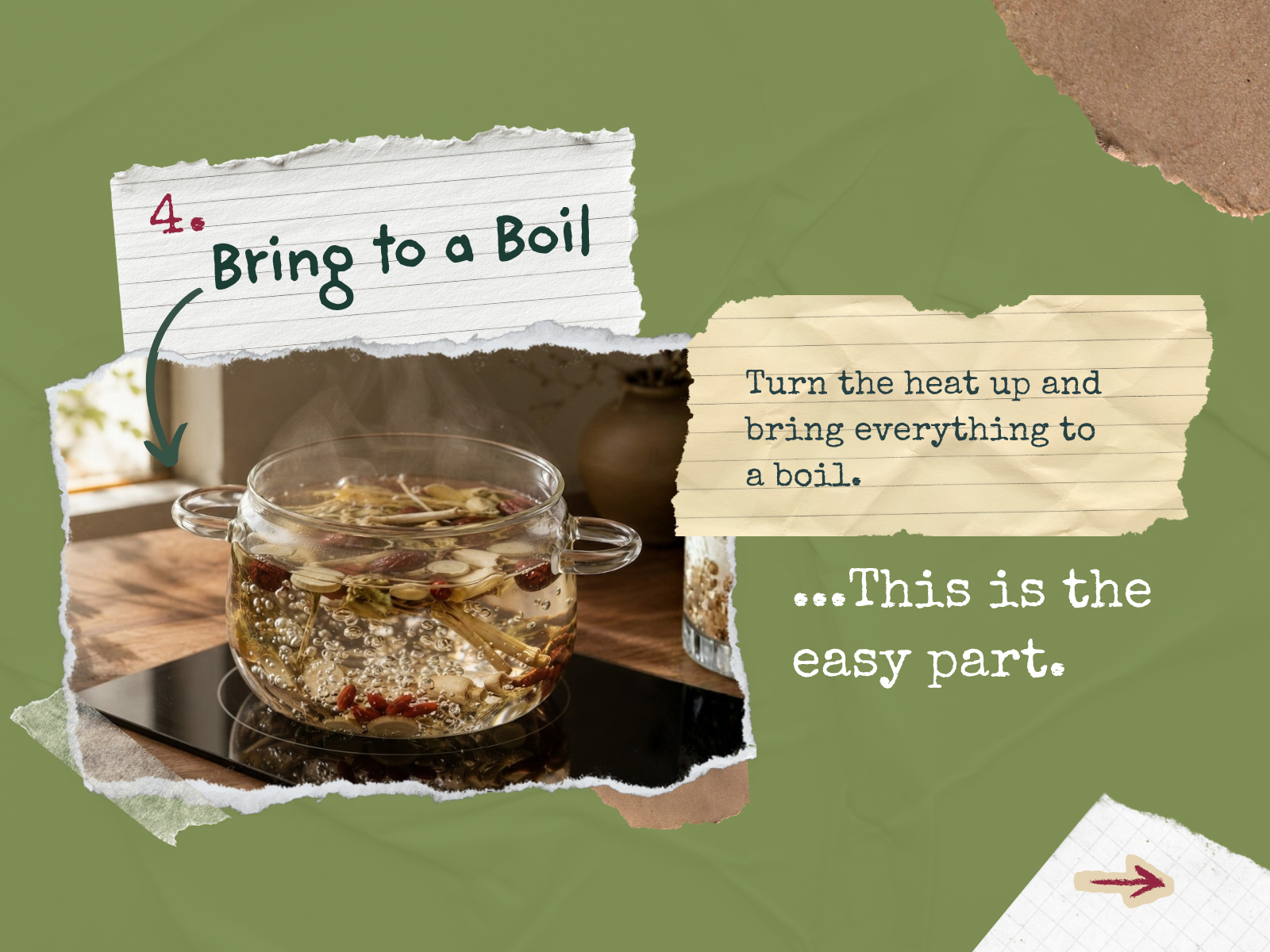
Start with enough water to cover the herbs by 1 to 2 inches. If you use too little water, the herbs may not extract properly or may burn.
If you use too much water, just turn up the heat and let it reduce. Stay nearby and keep an eye on it. For most formulas, you should end up with about 240 mL (8 oz) of tea.
Not a gallon. Not a sip. Somewhere in between.
How to Take Your Herbal Tea
Dividing the Dose
If it feels like too much to drink at once, you can split it into 2 servings, usually morning and evening. You do not need to prove anything by drinking it all in one heroic attempt.
With or Without Food
This depends on your practitioner, but here’s a practical guideline:
Strong-tasting formulas, don’t take on a completely empty stomach. Have something light first
Avoid taking it on a very full stomach.
That slows absorption
Think of it as “lightly fed,” not fasting, not Thanksgiving dinner.
Taste Tips (Let’s Be Real)
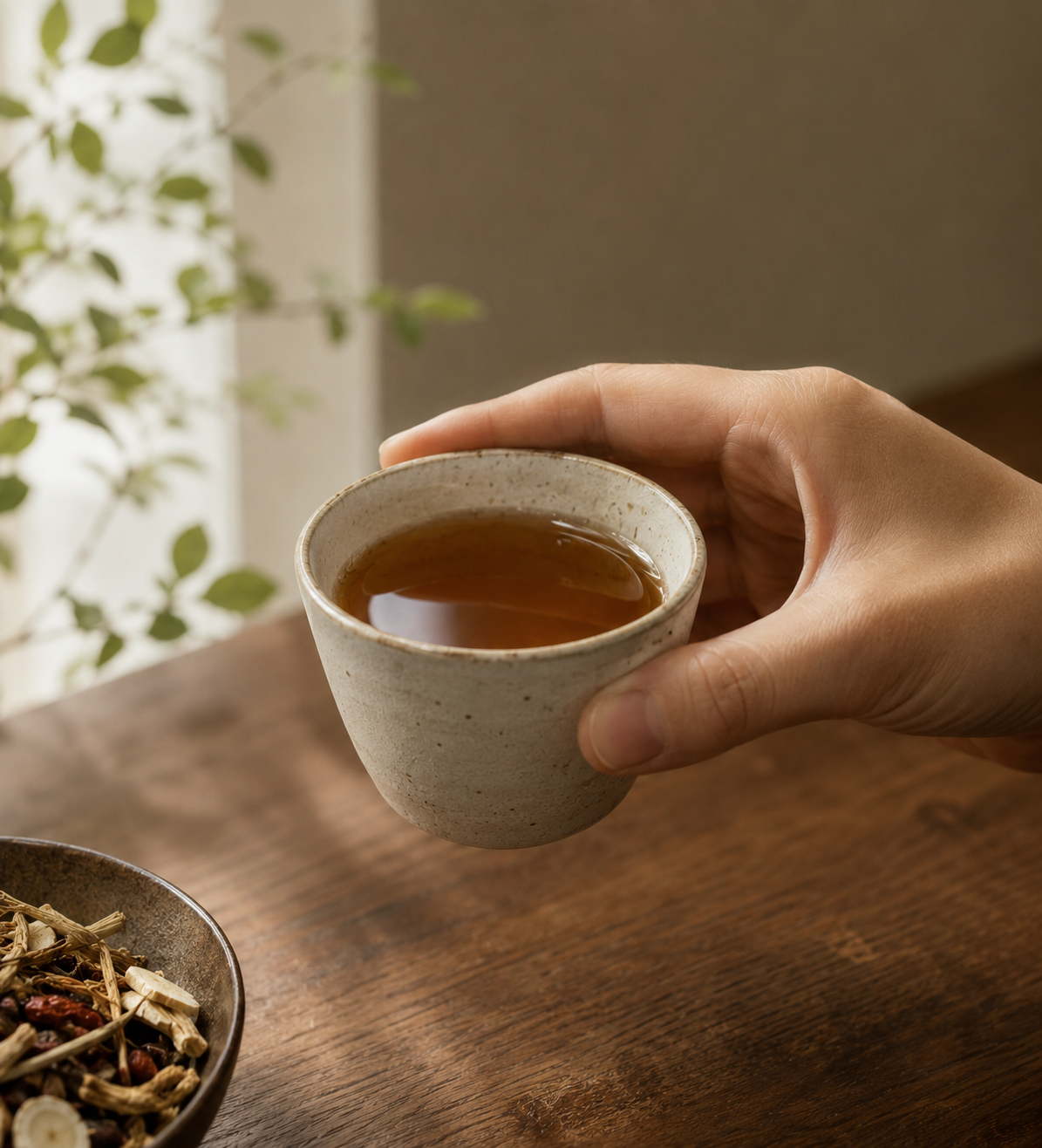
Herbal decoctions do not taste great. This is expected. Here’s how to get through it:
Let it cool until warm, not hot
Drink it steadily, don’t sip slowly and overthink it
Press your tongue to the roof of your mouth while drinking
Do not add honey or sugar to the tea. It will not fix the taste. It will just taste like strong herbs… with honey. If needed, have something sweet afterward to help with the aftertaste.
Cooking Tips (Where Things Usually Go Wrong)
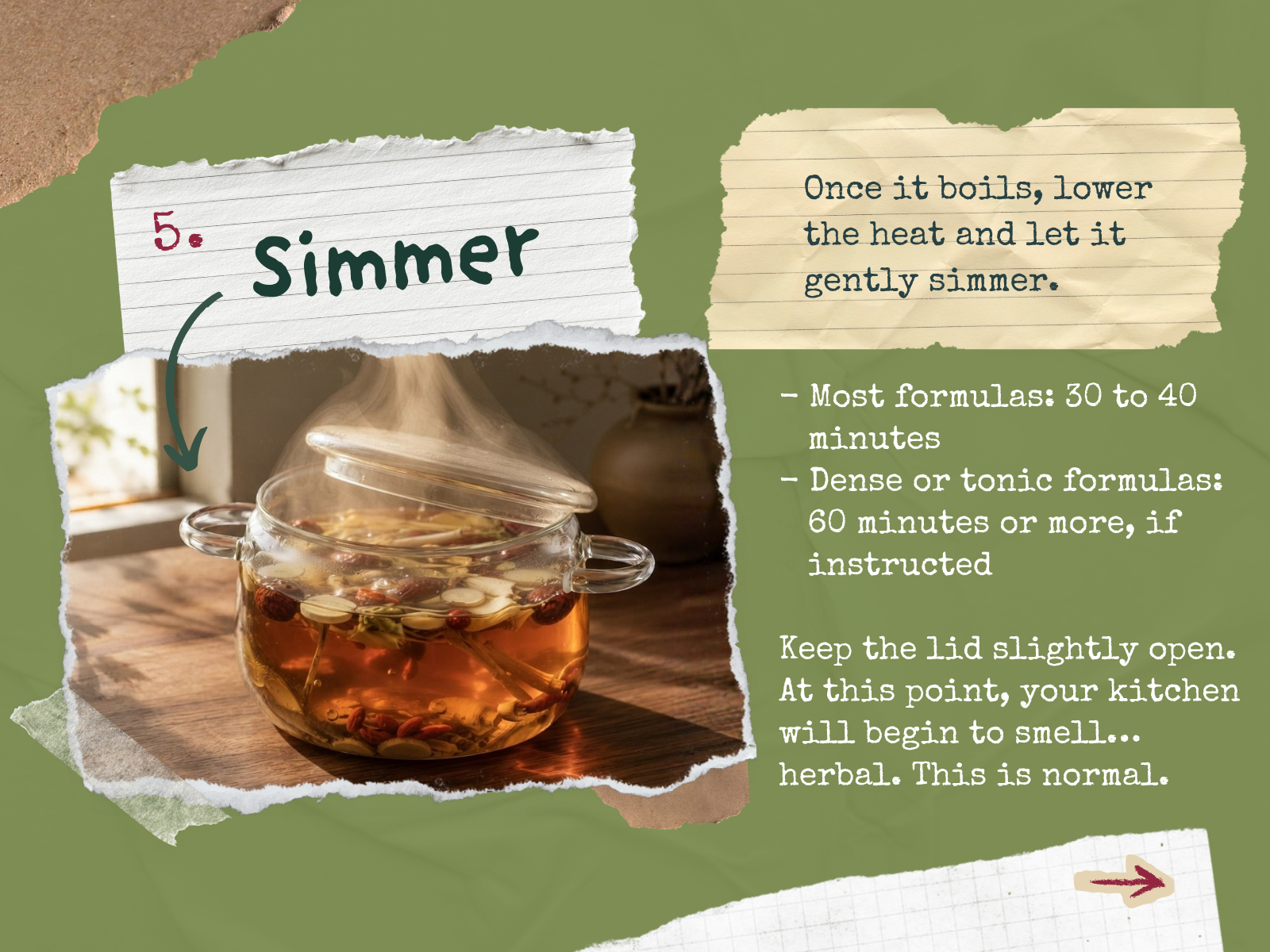
Keep the lid slightly open to prevent overflow
You can gently stir the herbs once or twice while simmering
Pro tip: Set a timer and check your pot every 10 minutes
Do not let the water boil dry.
If the herbs burn, there is no recovery. This is not a salvageable situation.
You will need to start over.
Special Instructions (If You See Them)
Sometimes your prescription may include instructions like:

COOK FIRST
ADD LATER
DISSOLVE SEPARATELY
WRAP AND COOK
These are clearly labeled by the pharmacy based on your practitioner’s directions. If you don’t see any special instructions, just follow the standard method and don’t overthink it.
• Bagged Herbs
Some herbs may come in a small gauze bag.
Do not open it. Resist the urge to investigate. Just cook it as is. It’s bagged for a reason.
• After Cooking
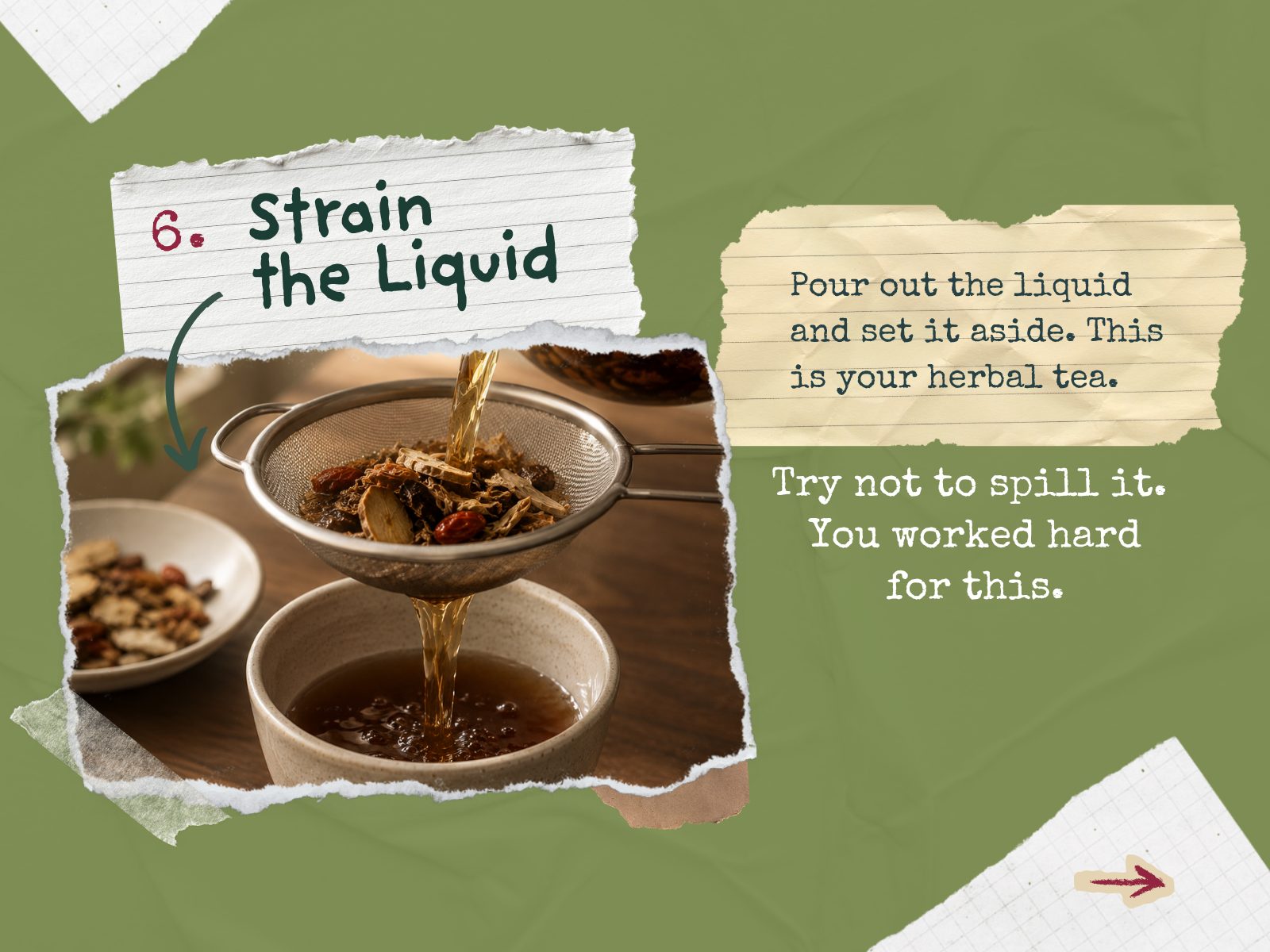
Once you’ve strained the liquid, discard the herbs. Do not eat them. hey have already given everything they have to give.
• Storage and Reheating
- Refrigerate if needed
- Use within 24 hours
- Reheat gently until warm
No need to turn this into a science project
• What to Expect
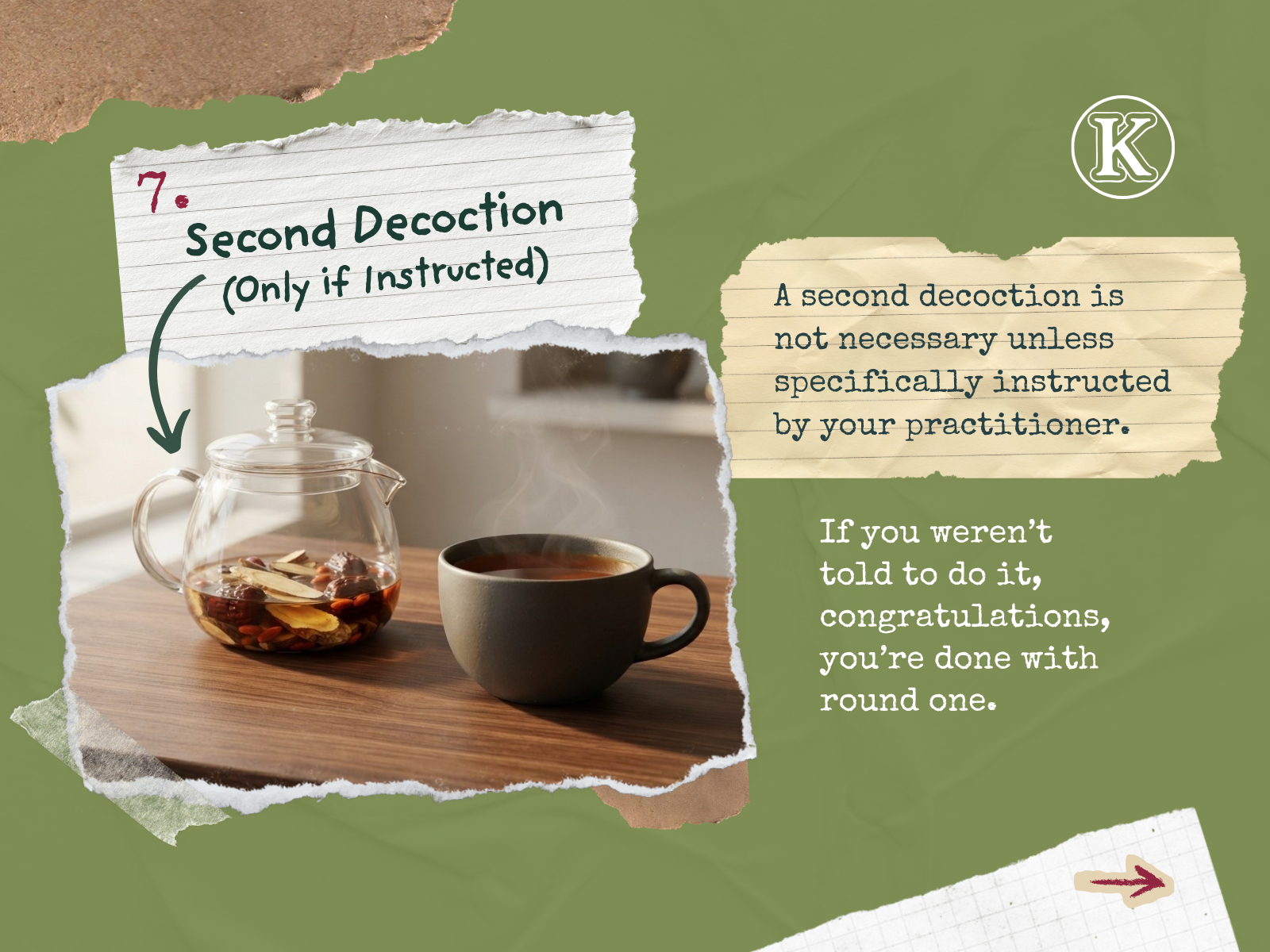
The tea may smell strong, look dark, and taste bitter. This is normal.
If it tasted like green tea, it probably wouldn’t work as well.
Dr. Thomas Leung
Pharm BS., DACM, L.Ac
CEO of Kamwo Herbs
Dr. Thomas Leung, DAOM, BS Pharm, is a practitioner and educator of Chinese herbal medicine with a background in pharmacy. He serves as faculty at Pacific College of Health and Science and is actively involved in advancing clinical standards in herbal medicine, including integrative oncology care. His work focuses on bridging traditional herbal medicine with modern pharmaceutical and quality standards.