Comprehensive integrative care, centered on you.
Integrative, Coordinated Support for People Living With Cancer
A cancer diagnosis can bring physical challenges, emotional strain, and many unanswered questions. Along the way, some patients and families look for safe, supportive options to help manage symptoms, cope with treatment side effects, and regain a sense of balance without interfering with their medical care. Grand Meridian Integrative Clinic offers integrative oncology support designed to accompany patients during and after cancer treatment. Our approach brings together oncology, pharmacy, and TCM expertise to provide thoughtful, individualized support that complements conventional care.


OUR INTEGRATIVE APPROACH
Patient-centered, safety-focused care: Our integrative oncology model is built on collaboration, transparency, and respect for each patient’s medical journey. Every recommendation is made with careful consideration of the individual’s diagnosis, current treatment plan, and overall well-being. Our guiding principles include:
Integrative support, not replacement
Services are offered alongside conventional oncology care.
Safety and careful review
Integrative therapies and herbal consultations are evaluated within a clinical and pharmacological context.
Personalized guidance
Support is tailored to symptoms, treatment stage, and patient goals.
Human, educational care
Listening, explaining, and supporting informed decision-making are central to our approach.
SUPPORTIVE SERVICES WE OFFER
Our services are intended to support comfort, resilience, and quality of life, and may include:
-
Used to ease pain, nausea, neuropathy, fatigue, insomnia, anxiety, dry mouth, and treatment-related discomfort. All treatments are oncology-informed and medically coordinated.
-
Oncology-safe herbal formulas customized to support appetite, digestion, energy, sleep, mood, bowel regularity, and overall resilience during treatment and survivorship. All formulas undergo drug–herb safety review.
-
Guidance focused on restoring digestion, improving nutrient absorption, managing weight changes, and supporting patients with poor appetite or post-treatment GI symptoms.

-
Simple home techniques that empower patients to manage nausea, anxiety, neuropathy, and digestive discomfort between visits.

-
Gentle acupuncture and topical therapies to improve local circulation, reduce fibrosis, and support tissue healing after surgery or radiation.
-
Targeted treatments to regulate the nervous system, reduce anxiety, improve mood, and help patients rest more deeply during a stressful medical journey.

-
Post-treatment support focusing on rebuilding strength, balancing hormones, restoring digestion, and improving long-term quality of life.
-
Stress-relief treatments and guidance for caregivers who are also under pressure during the cancer journey.
You Don’t Have to Navigate This Alone
WHAT TO EXPECT FROM YOUR FIRST VISIT
A calm, informative starting point
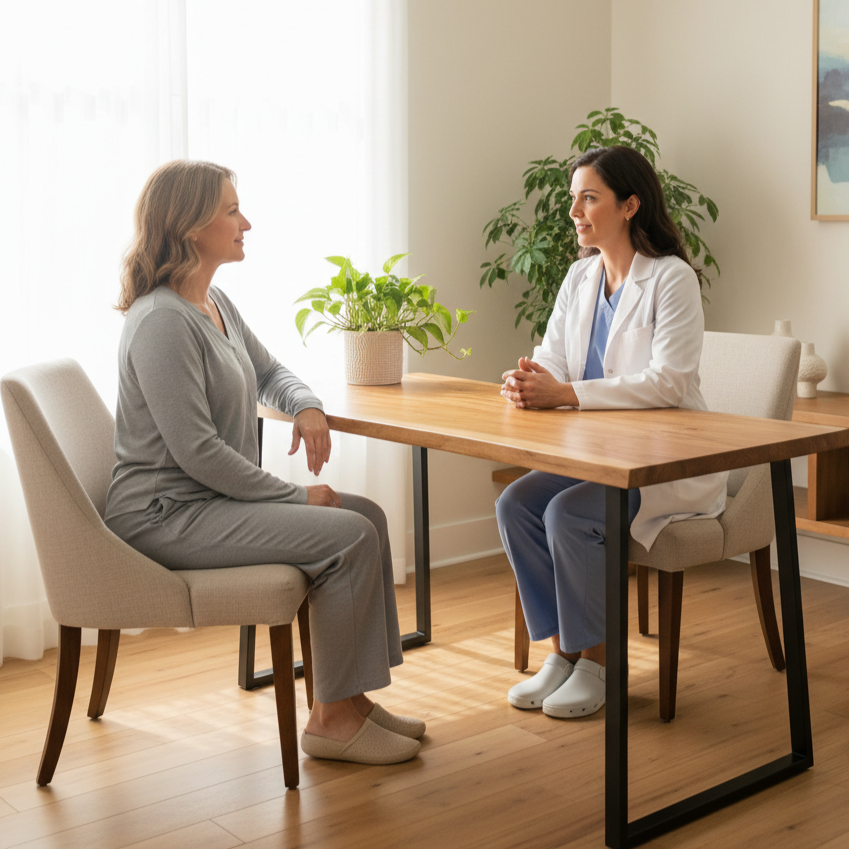
Your initial integrative consultation focuses on understanding your medical history, current oncology treatments, and goals for support. Together, we discuss symptoms, daily challenges, and whether integrative care may be appropriate at this time.
No changes are made to your oncology treatment. Any recommendations are intended to support comfort, well-being, and quality of life in coordination with your care team.
A COORDINATED, MULTIDISCIPLINARY PERSPECTIVE
Our advisory and integrative care team includes professionals with backgrounds in oncology, pharmacy, clinical research, and TCM. This multidisciplinary perspective supports thoughtful, safety-focused integrative care grounded in collaboration and clinical responsibility.
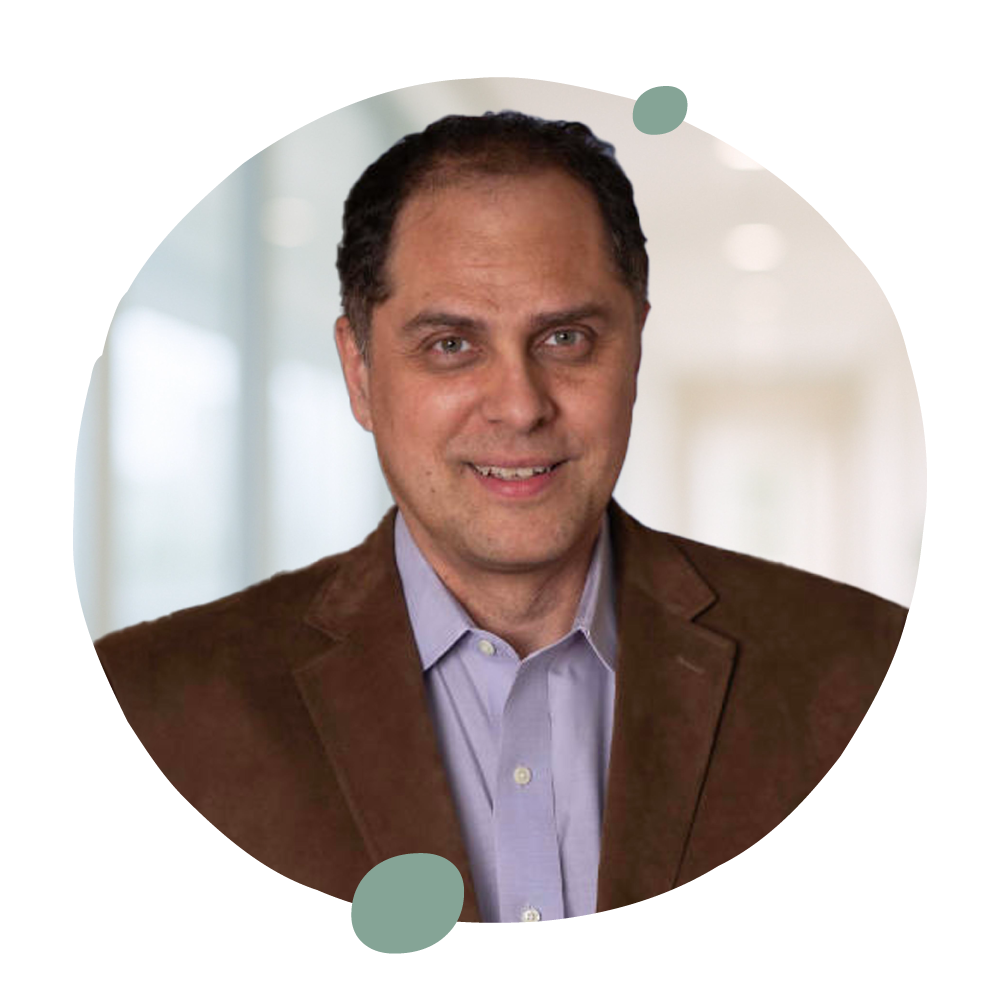
Dr. Doru Paul, MD, PhD, FACP
Medical Oncology
Dr. Doru Paul is a medical oncologist specializing in head and neck and lung cancers. He has extensive experience developing multidisciplinary approaches to cancer care and has played a significant role in clinical and translational research. Throughout his career, Dr. Paul has served as a principal investigator on numerous clinical studies, including investigator-initiated and FDA-approved trials. His work has contributed to advancing oncology treatment strategies and improving clinical integration across specialties. Within the advisory team, Dr. Paul provides clinical oversight related to safety, coordination with conventional oncology treatments, and responsible integration of complementary approaches.
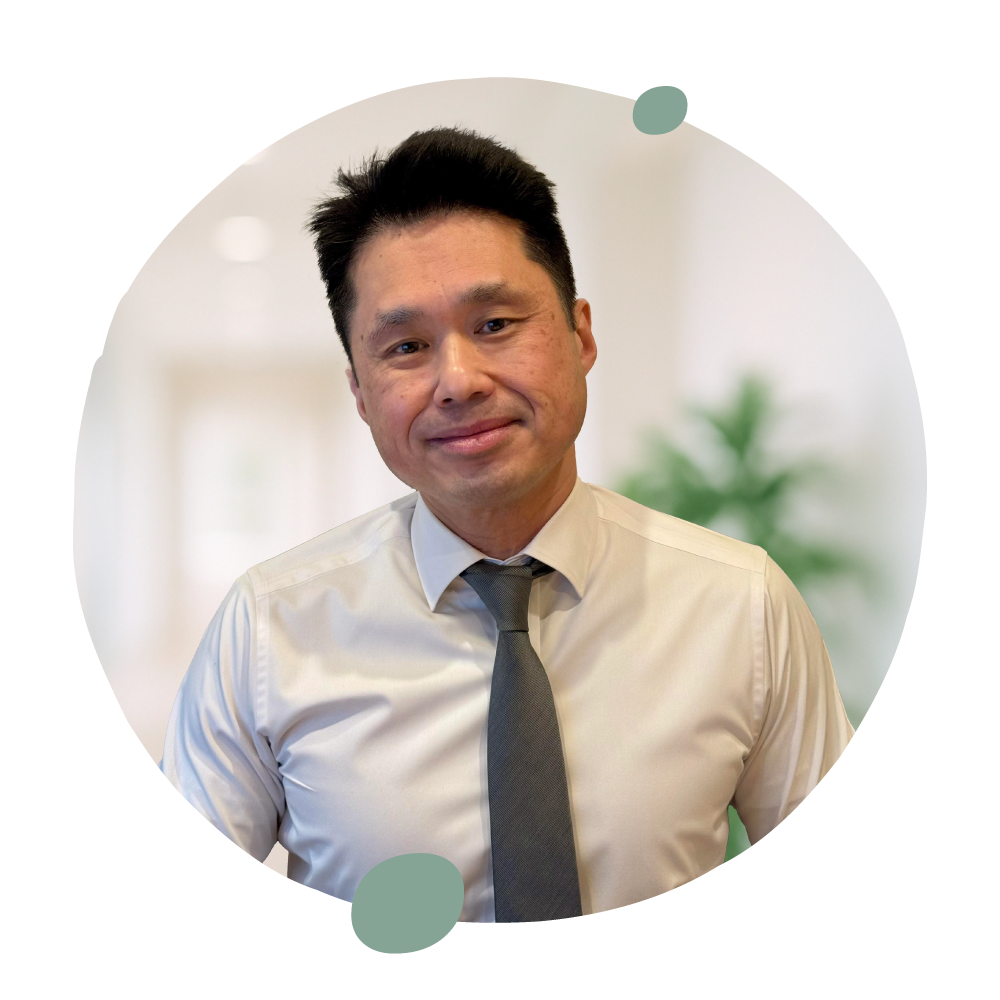
Dr. Thomas Leung, DACM, BS Pharm
Integrative Medicine and Pharmacy
Dr. Thomas Leung brings together training in Western pharmacy and East Asian medicine, offering a unique perspective on integrative oncology support. He represents a multi-generational lineage in herbal medicine and has dedicated his career to advancing safe, informed integrative care. His dual background allows for careful evaluation of herbal recommendations within complex medical contexts, including potential medication interactions. He has also served as a faculty member for over two decades, educating clinicians in clinical reasoning and safety. At Grand Meridian Integrative Clinic, Dr. Leung oversees herbal standards and supports the integration of complementary therapies in alignment with oncology care.
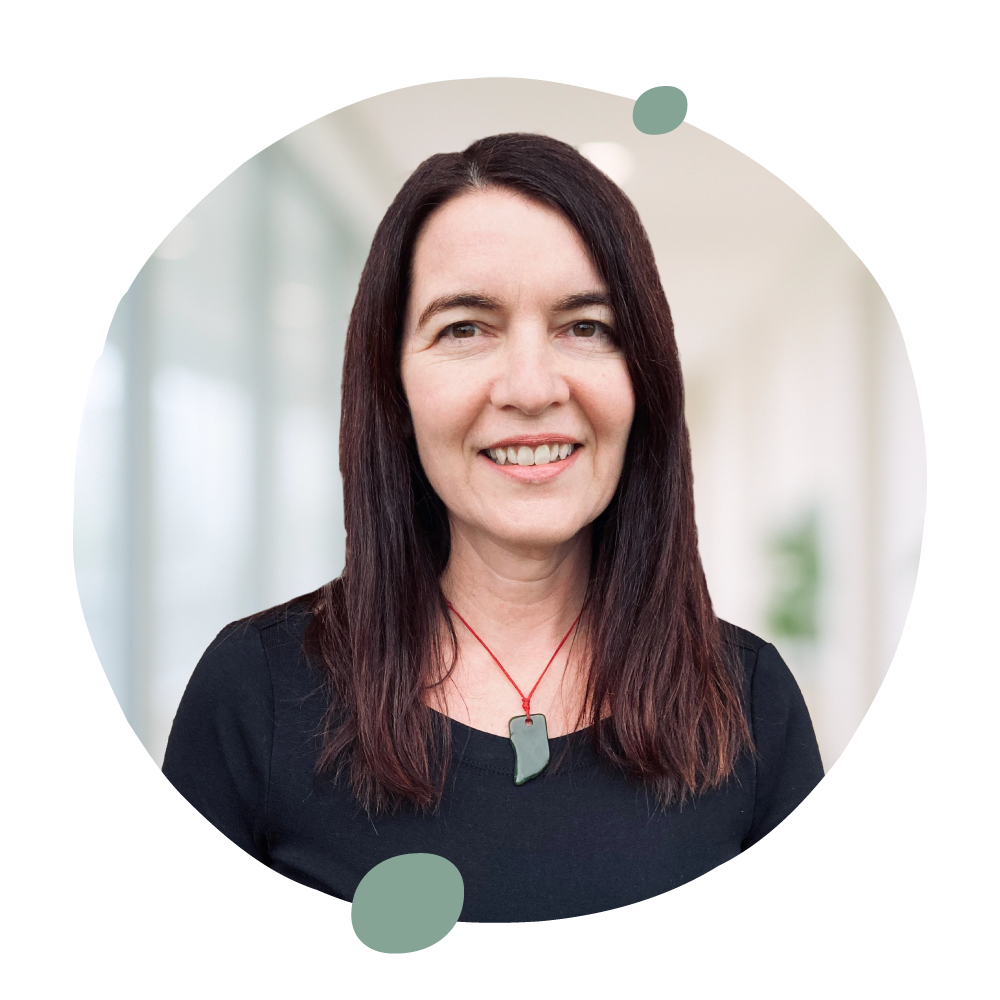
Dr. Katherine Taromina, DACM, MSTOM, LAc
Oncology Acupuncture and Clinical Research
Dr. Katherine Taromina has more than twenty years of experience supporting adults and children with cancer through integrative medicine. Her work spans clinical care, academic leadership, and research within hospital-based integrative programs. She has held leadership roles in educational institutions and professional organizations, and her research interests focus on expanding safe patient access to integrative therapies. Her role within the advisory team centers on oncology acupuncture standards, clinical education, and evidence-informed protocol development.
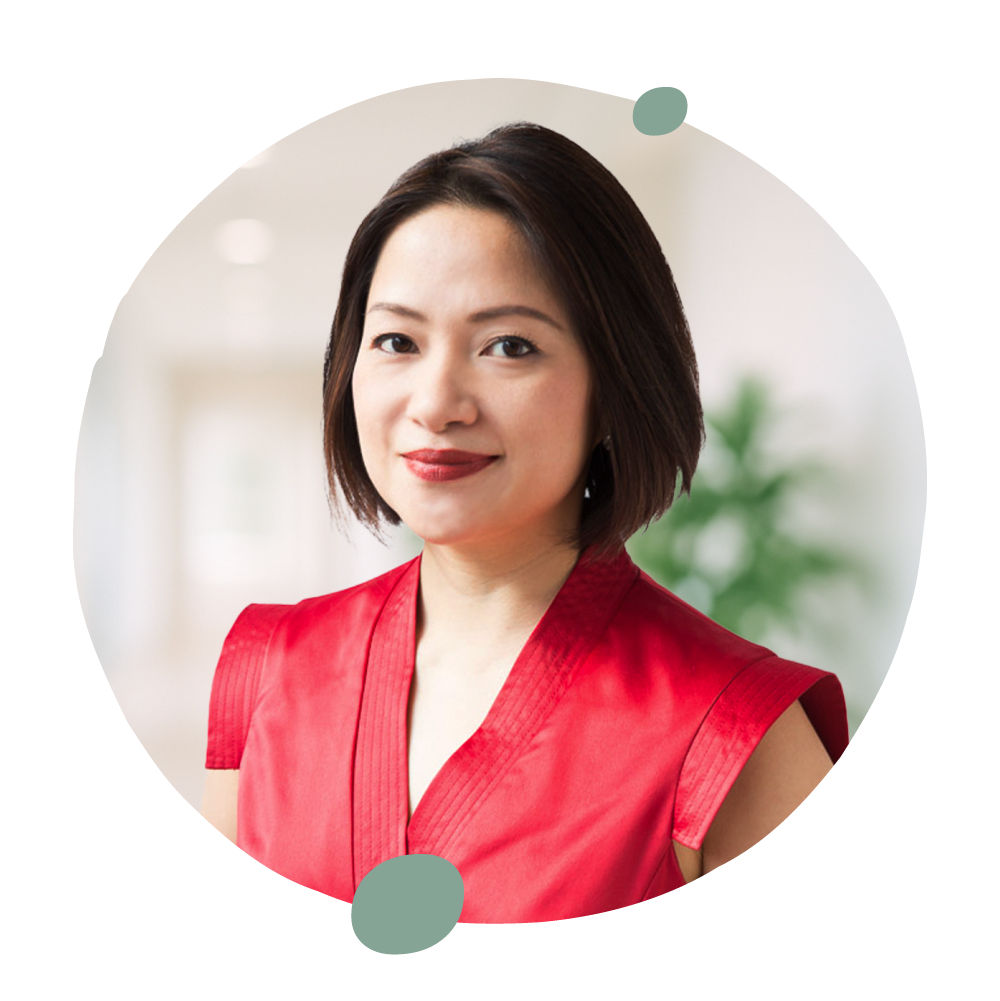
Dr. Venessa Lee, DACM, LAc
Herbal Medicine and Patient Support
Dr. Venessa Lee’s clinical approach is deeply informed by her personal experience supporting a close family member through cancer treatment. This perspective shapes her patient-centered, compassionate style of care. She specializes in working with cancer patients and caregivers, focusing on comfort, emotional well-being, and education. Her work emphasizes listening, trust, and individualized support. Within the clinic, Dr. Lee contributes to patient education, clinical case review, and integrative care planning.
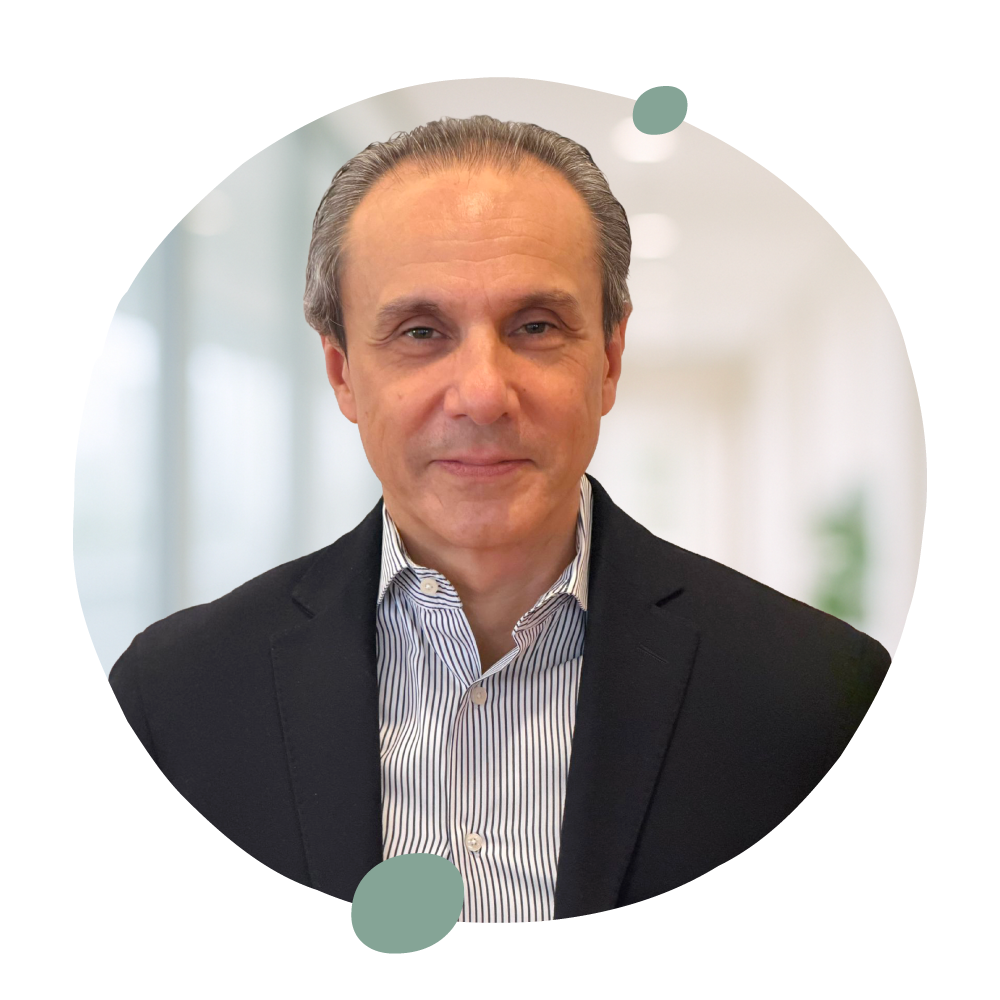
Dr. Oleg Fabrikant, DAOM, LAc
Clinical Integrative Medicine
Dr. Oleg Fabrikant has experience practicing integrative medicine in both inpatient and outpatient multidisciplinary medical settings. His work focuses on thoughtful integration of traditional practices with modern clinical standards. He completed advanced training and a hospital-based fellowship in integrative medicine and is board certified in acupuncture and herbal medicine. Within the advisory structure, he supports the development of integrative clinical practices aligned with contemporary medical care.
FAQS
-
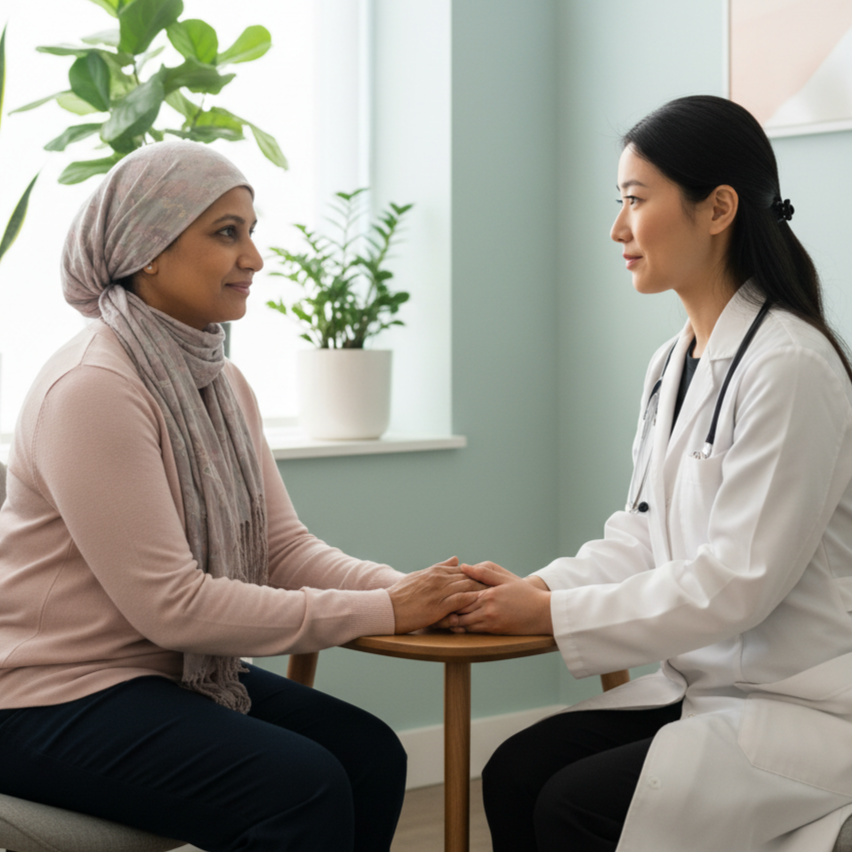
Integrative oncology care focuses on supporting comfort, well-being, and quality of life for people living with cancer. At Grand Meridian Integrative Clinic, integrative care is offered in coordination with conventional oncology treatment and does not replace chemotherapy, radiation, surgery, or other medical therapies.
Our role is to provide supportive care alongside your oncology team, not to change or substitute medical treatment.
-
Integrative support may be appropriate for:
Patients undergoing active cancer treatment
Individuals managing treatment-related side effects
People in recovery or survivorship
Caregivers seeking guidance or stress support
Each person’s situation is unique. Whether integrative care is appropriate is discussed during an initial consultation.
-
Integrative care is not intended to treat cancer itself. It may help support comfort and quality of life by addressing concerns such as:
Treatment-related discomfort
Fatigue
Digestive challenges
Sleep difficulties
Stress and emotional strain
Responses vary from person to person, and care is always individualized.
-
Your first visit focuses on understanding your medical history, current oncology treatments, symptoms, and goals for support. This is a calm, informative conversation designed to determine whether integrative care may be appropriate for you at this time.
No changes are made to your oncology treatment plan. Any recommendations are intended to support well-being in coordination with your medical care.
-
Acupuncture involves the use of fine needles placed at specific points to support relaxation and bodily regulation.
Herbal consultations focus on discussing individualized herbal approaches, with careful attention to safety, medications, and clinical context.
Some patients choose one approach, while others explore both, depending on their needs and comfort.
-
Safety is a central priority. Herbal recommendations are reviewed carefully based on your diagnosis, current medications, and treatment plan. Not all herbs are appropriate for all patients, and recommendations are made conservatively.
We encourage open communication with your oncology team about any integrative care you pursue.
-
Integrative care is designed to avoid interference with cancer treatment. All recommendations are made with awareness of medical therapies and with a conservative, safety-focused approach.
Integrative services are meant to complement, not conflict with, oncology care.
-
Our clinic emphasizes clinical responsibility, safety, and coordination. Our advisory and integrative care team includes professionals with backgrounds in oncology, pharmacy, clinical research, and East Asian medicine.
This multidisciplinary perspective supports thoughtful integrative care aligned with modern medical standards.
-
Yes. Caregivers often experience significant emotional and physical stress. We offer supportive care and guidance for caregivers, recognizing their essential role in the cancer journey.
-
The best way to determine whether integrative care may be appropriate is through an initial consultation. This conversation allows you to ask questions, share concerns, and understand our approach before deciding how to proceed.
-
Integrative services at Grand Meridian Integrative Clinic are intended as supportive care and do not replace conventional cancer treatment. All care should be considered in coordination with your oncology team.
OUR LOCATION


Visit Us at the Heart of New York. Grand Meridian Clinic is located inside Kamwo’s Dispensary, at 211 Grand St, NY 10013.
Schedule an Integrative Consultation
Speak with our team to explore whether integrative support may be appropriate for you, always in coordination with your oncology care. Our Integrative consultations are offered as complementary support and do not replace conventional oncology treatment.
The services provided by Grand Meridian Integrative Clinic are intended as integrative support and are not a substitute for conventional cancer treatment. All recommendations are made with consideration of the patient’s medical care and should be viewed as complementary and coordinated with the treating oncology team. Individual experiences may vary.