

Rheumatoid arthritis (RA) is a chronic, systemic autoimmune disease that primarily affects the joints, leading to inflammation, pain, stiffness, and progressive structural damage. While modern medicine focuses on immunomodulation and symptom control, Traditional Chinese Medicine (TCM) offers a time-tested, individualized framework that emphasizes root-cause differentiation, constitutional support, and long-term balance.
In TCM, RA falls under the category of Bi Syndrome (痹证 / 痹病) and is diagnosed as “Wang Bi” (尪痹).—a condition caused by the invasion of wind, cold, dampness, or heat into the meridians, compounded over time by internal deficiencies of qi, blood, yin, yang, or organ systems such as the liver and kidneys. This pattern-based understanding allows treatment to evolve alongside disease progression, rather than relying on a single static protocol.
Why Pattern Differentiation Matters
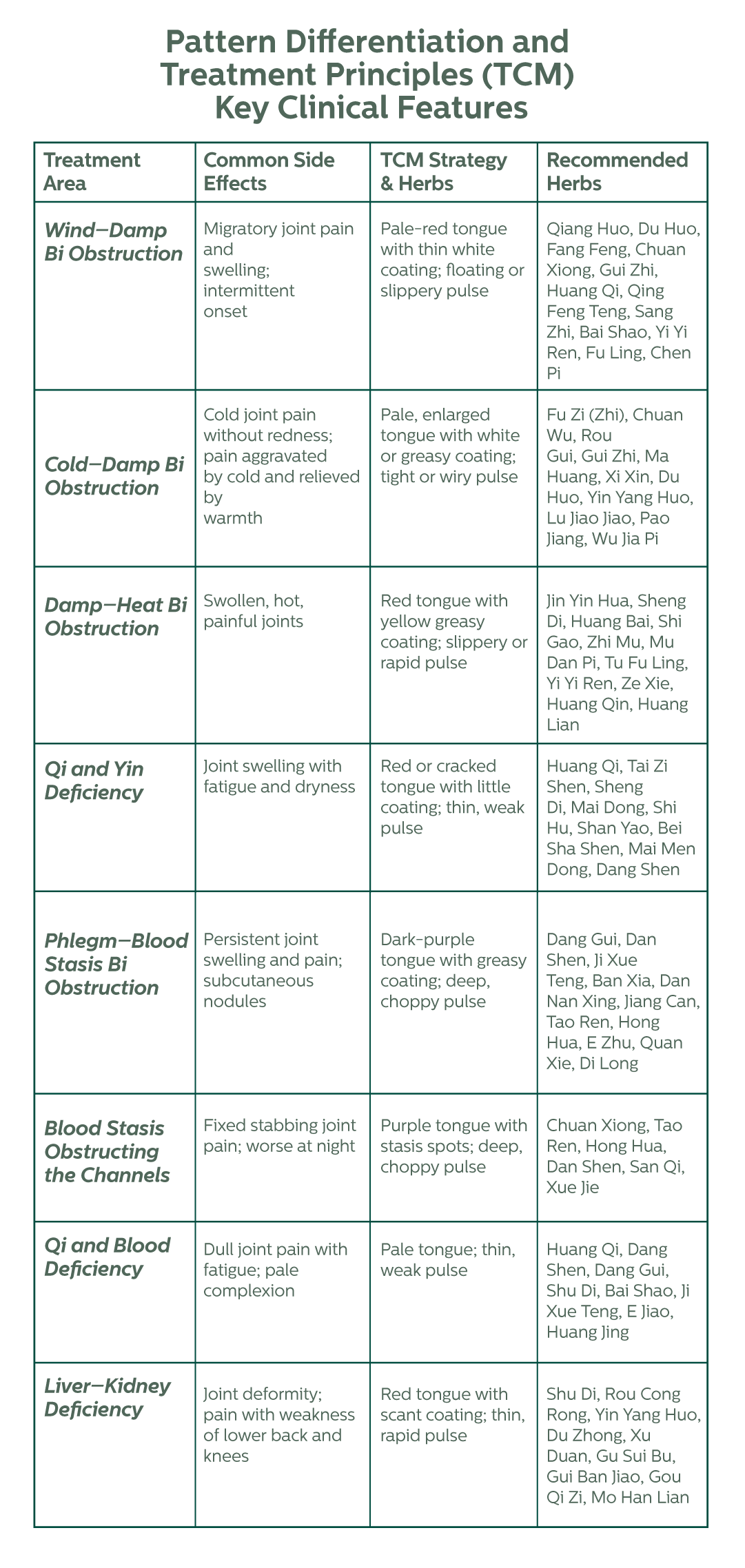
RA does not present uniformly. Early-stage migratory pain differs fundamentally from chronic deformity with blood stasis or deficiency. TCM treatment is therefore guided by 辨证论治 (pattern differentiation and treatment), ensuring that therapies address not only inflammation, but also circulation, immunity, tissue repair, and systemic resilience.
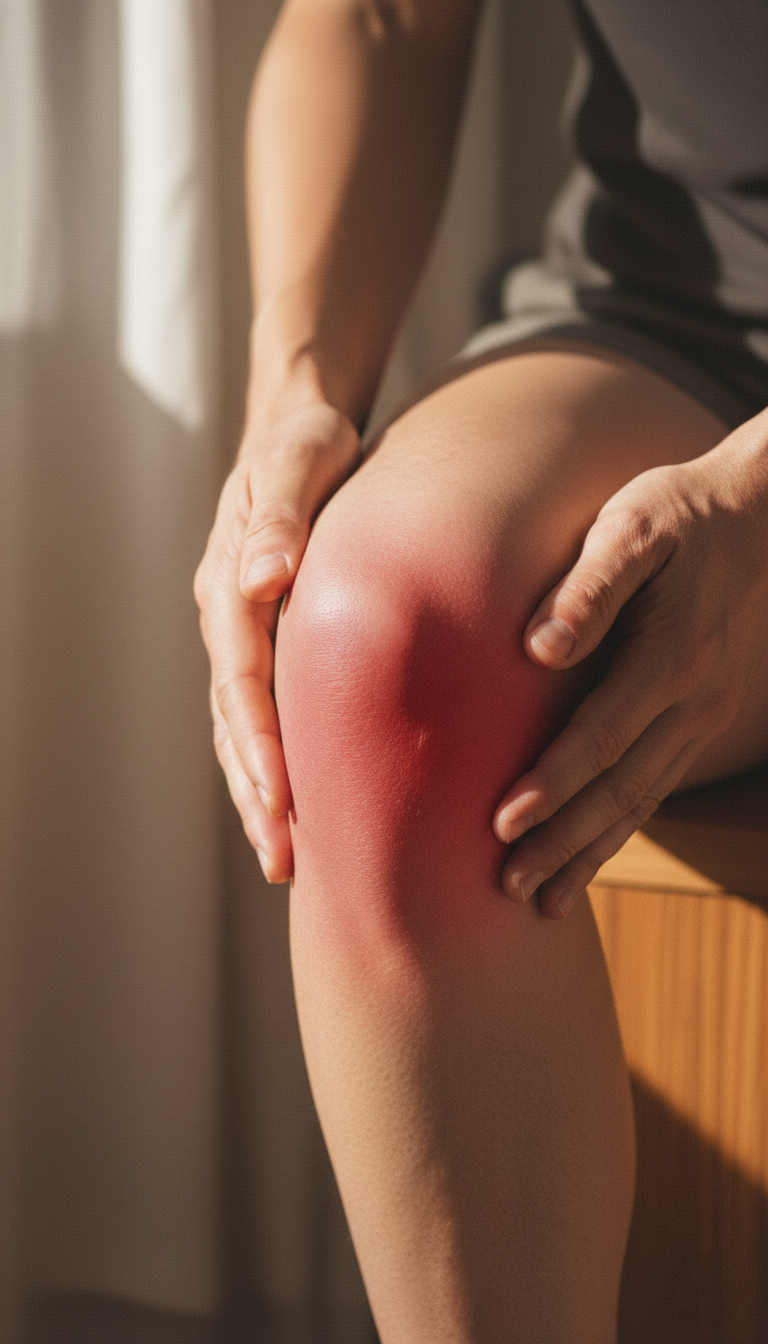
Integrated Therapeutic Strategies
• Customized herbal formulas to dispel pathogenic factors, regulate immunity, nourish deficiencies, and protect joint structures
• Acupuncture to regulate qi and blood, reduce pain, improve mobility, and support neuroimmune balance
• Tui Na and manual therapies to enhance circulation, reduce stiffness, and improve functional outcomes
• Dietary and lifestyle guidance tailored to each patient’s constitutional pattern
Pattern Differentiation and Treatment Principles (TCM) – Key Clinical Features
Acupuncture Therapy
Primary Points: Feng Chi (GB20), Feng Fu (DU16), Feng Men (UB12), Shen Shu (UB23), Zu San Li (ST36), San Yin Jiao (SP6), Nei Guan (PC6), Gong Sun (SP4)
Local Points: Points are selected based on the affected joints and clinical presentation, including:
• Shoulder: Tian Zong (SI11), Jian Liao (SJ14), Jian Zhen (SI9), Ashi points
• Elbow: Qu Chi (LI11), Chi Ze (LU5)
• Wrist: Yang Chi (SJ4), Wai Guan (SJ5), Yang Xi (LI5), Wan Gu (SI4)
• Fingers: Ba Xie (EX-UE9)
• Knee: Yang Ling Quan (GB34), Du Bi (ST35), Xi Yang Guan (GB33), Liang Qiu (ST34)
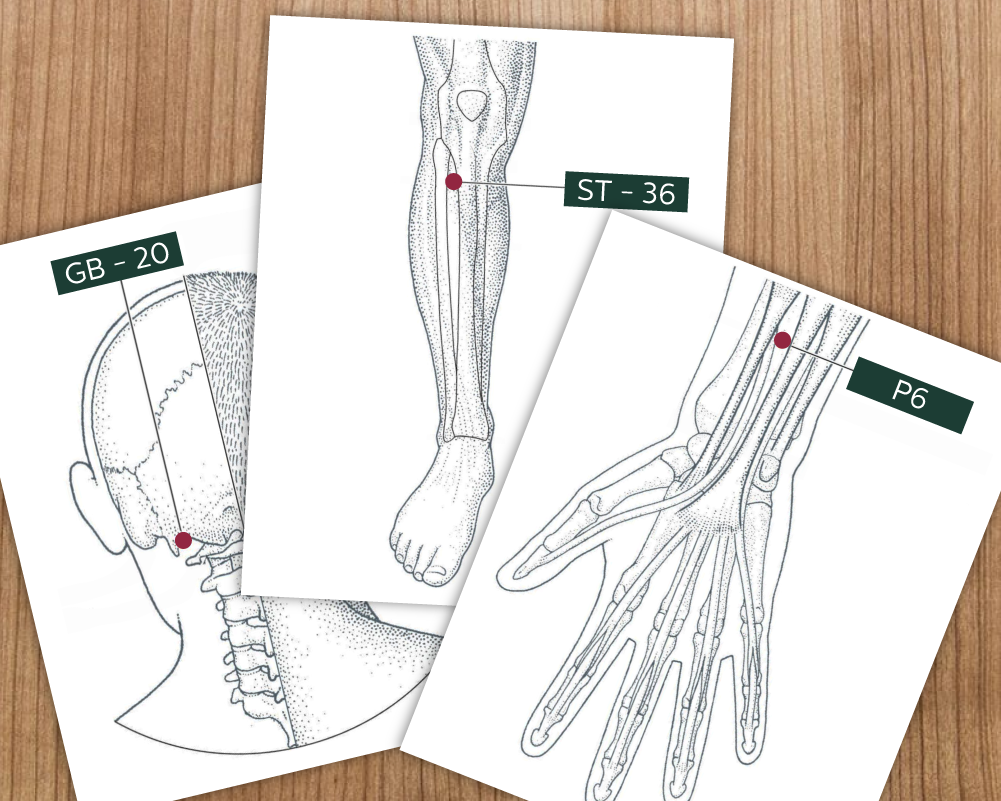
Images from: A Manual of Acupuncture App
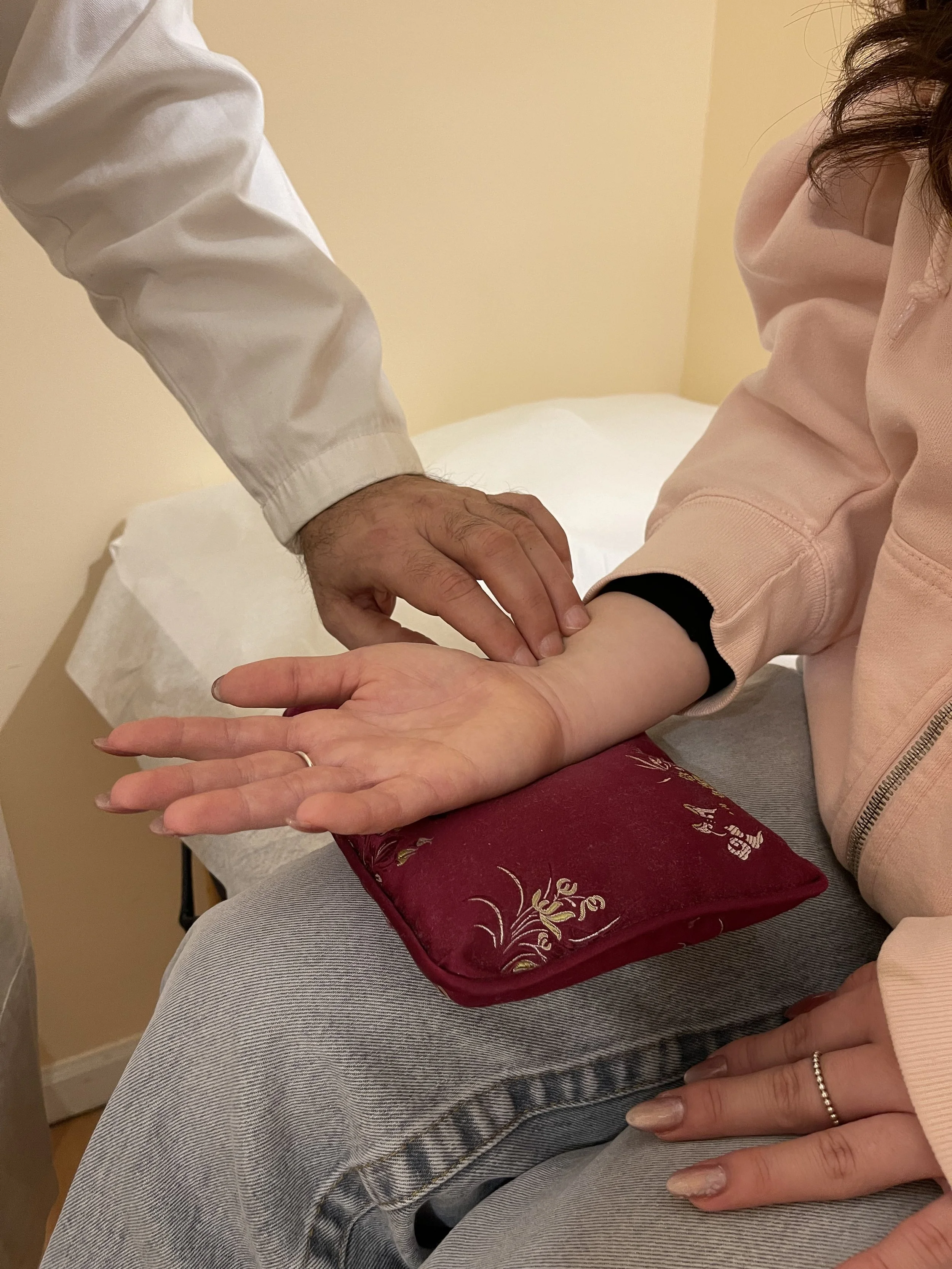
Tui Na (Therapeutic Massage)
Individualized techniques may be applied based on anatomical and pathological features. When combined with herbal therapy, Tui Na can significantly improve pain and morning stiffness.
Dietary Guidance
• Emphasis on light, easily digestible foods
• Adequate nutrition and vitamin intake
• Moderate restriction of sugar and salt
• Personalized dietary recommendations based on TCM pattern differentiation
Precautions
• Herbal treatment should be accompanied by appropriate dietary care
• All therapies should be administered under professional supervision and individualized pattern diagnosis
-
Guidelines for Diagnosis and Treatment of Rheumatoid Arthritis Based on the Combination of Disease and Syndrome
2015 American College of Rheumatology Guideline for the Treatment of Rheumatoid Arthritis
Why Choose Kamwo?
At Grand Meridian Clinic, we bridge classical Chinese medical wisdom with modern clinical insight to uncover the root patterns behind chronic disease. Through personalized herbal medicine, acupuncture, and integrative care strategies, Kamwo supports patients at every stage of their healing journey.
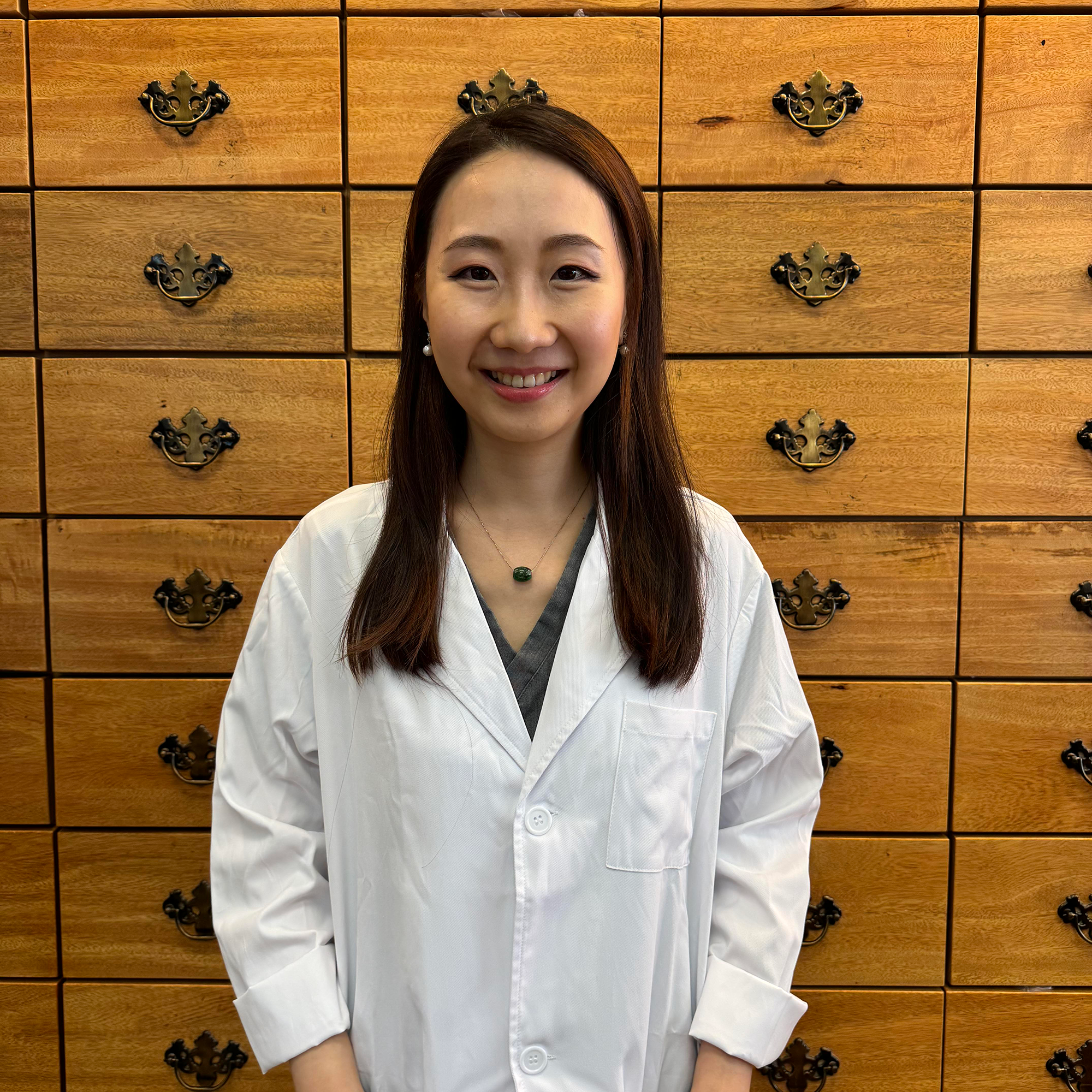
Dr. Olivia Choi
L.Ac, DACM, MPH, MSBB, BPharm
Grand Meridian Clinic